



How Do You Hook Up a Generator to the House Safely?
The safe way to hook up a generator to house wiring is to use a generator transfer switch, an approved generator interlock kit, or properly rated extension cords for individual appliances. Do not plug a generator into a wall outlet or dryer outlet. That shortcut can cause generator backfeeding, send power onto a power line, and put utility workers at risk.
If you want to connect generator to electrical panel circuits, hire a licensed electrician. The electrician should check local code, circuit breakers, the generator breaker, generator inlet box, grounding, permits, and the size of the backup generator. This supports generator safety for home use.

Choose the Safe Connection Method
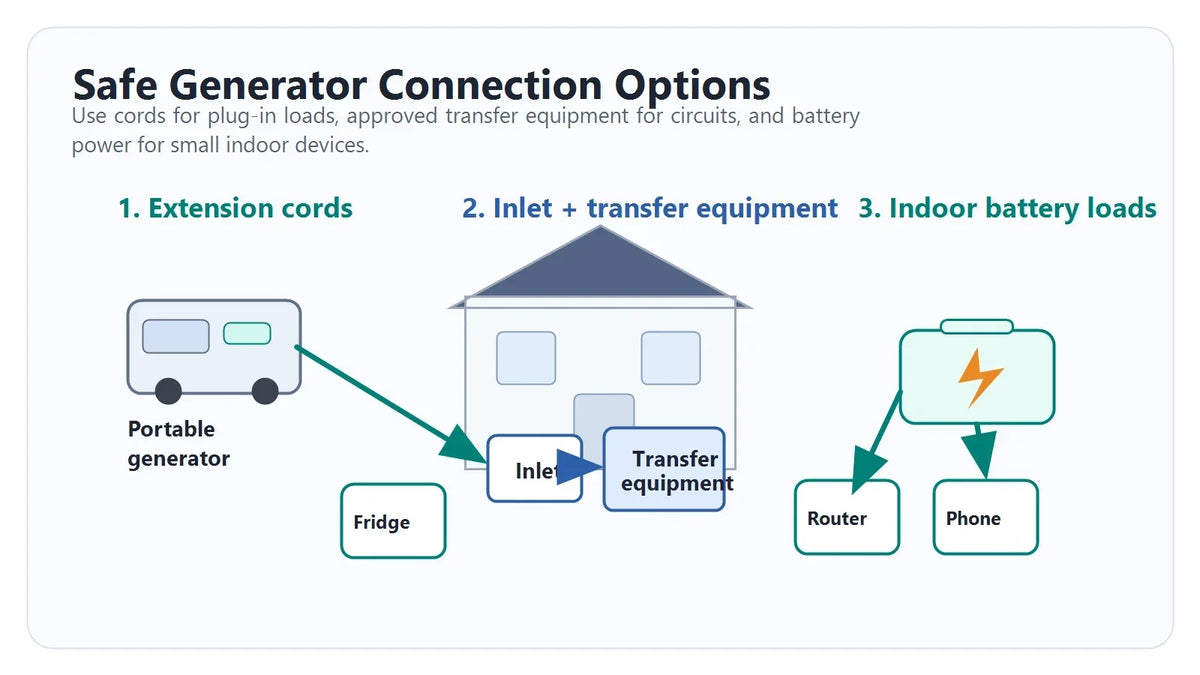
Use extension cords when you only need plug-in loads such as a refrigerator, lights, Wi-Fi, chargers, or a fan.
Use a manual transfer switch when you want selected circuits to run from a generator. A manual transfer switch safely connects the generator to your home while it keeps utility power separate from generator power.
Use an interlock kit only when it fits your panel and local rules. A generator interlock uses a mechanical lock so the main breaker and generator breaker cannot stay on at the same time.
Use a standby generator when you need automatic backup. A standby generator often uses an automatic transfer switch. It can provide peace of mind when reliable power is critical.
Never Backfeed a Generator
Backfeeding happens when someone uses the wrong cord or outlet to push generator power into house wiring.

The Electrical Safety Foundation International explains that transfer switches help prevent backfeeding by separating utility power and generator power. The American Red Cross also warns against connecting a generator to home wiring without proper transfer equipment.
Do not use a dryer outlet, wall outlet, or homemade cord. These methods can damage equipment, start a fire, or energize utility lines during an outage.
How to Connect Generator to House Loads
If you are asking how to connect generator to house loads, start with a safer planning process. This is not a wiring guide.
First, list the loads you must run. Common essentials include a refrigerator, freezer, router, phone charger, lights, sump pump, or furnace blower.
Second, check each appliance label or manual. The U.S. Energy Information Administration explains that watts measure power at one moment. You need watts to know what a generator can run.
Third, decide how the generator will connect. Use rated cords for plug-in appliances. Use an approved inlet and transfer equipment for home circuits.
Fourth, turn on loads slowly. Start with the most important appliance, then add smaller loads. This helps avoid tripped breakers and overloads.
Transfer Switch vs Interlock

A transfer switch vs interlock choice depends on how you want to use backup power.
A manual transfer switch works well when you want a clear setup. It limits backup power to selected circuits.
An interlock kit works well when you want more control at the panel. It may let you choose different circuits, but you must turn off large loads that the generator cannot support.
Both systems need proper installation. Ask a licensed electrician before you connect portable generator to house wiring.
Generator Extension Cord Safety
For cord-connected loads, use outdoor-rated extension cords that match the generator and appliance load. Keep cords dry, check for damage, avoid wet areas, and do not overload one cord with too many devices. If a cord feels hot, unplug the load.
Carbon Monoxide Safety
Portable generators that burn fuel create carbon monoxide. You cannot see or smell this gas.

The CDC says to keep a gasoline-powered generator outside and at least 20 feet from doors, windows, and vents. NIST recommends 25 feet when possible. The U.S. Consumer Product Safety Commission warns never to run a generator inside a home, garage, basement, crawlspace, or shed.
Use working carbon monoxide alarms on every level of the home. These safety features matter as much as the electrical setup.
What About Battery Power Sources?
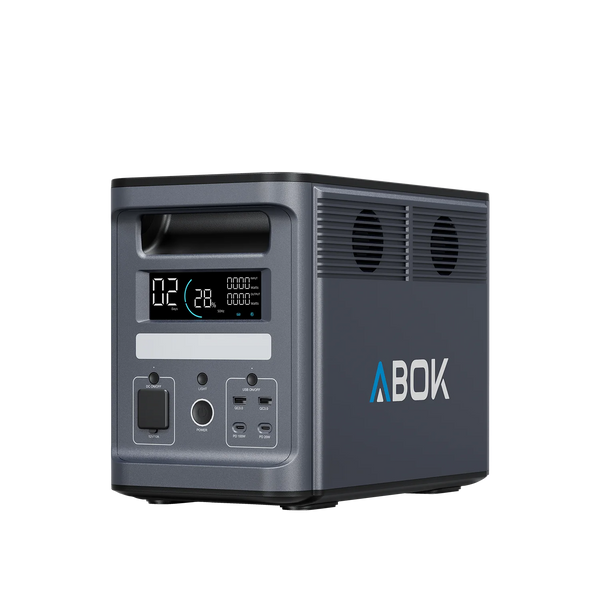
Battery power sources and portable power stations can run selected plug-in loads indoors because they do not create engine exhaust while operating. Check output watts, battery capacity, outlet type, and surge power before you choose one.
Do not connect any power source to home wiring unless the setup uses approved transfer equipment. For portable generator home backup planning, compare your essential loads first. Then compare ABOK portable power stations by output, battery capacity, solar charging, and outlet fit.
FAQ
Can I hook up generator to house without a transfer switch?
You can use rated cords for plug-in appliances. For house circuits, use a transfer switch or approved interlock kit installed by a licensed electrician.
Can I plug a generator into a dryer outlet?
No. A dryer outlet is not a safe generator inlet. It can cause backfeeding and create shock, fire, and utility worker hazards.
Bottom Line
So, how do you hook up a generator to the house safely? Use extension cords for simple plug-in loads, or use a manual transfer switch or approved interlock kit for home circuits. Never backfeed through an outlet.
Plan your loads, place fuel generators outdoors, use carbon monoxide alarms, and let a licensed electrician handle any panel connection. That gives you safer backup power during outages.
Aktie:
How to Size a Generator Without Guesswork